

Why The Last House on the Left (1972) is a Classic..
Remember.. its only a movie... only a movie... only a movie...

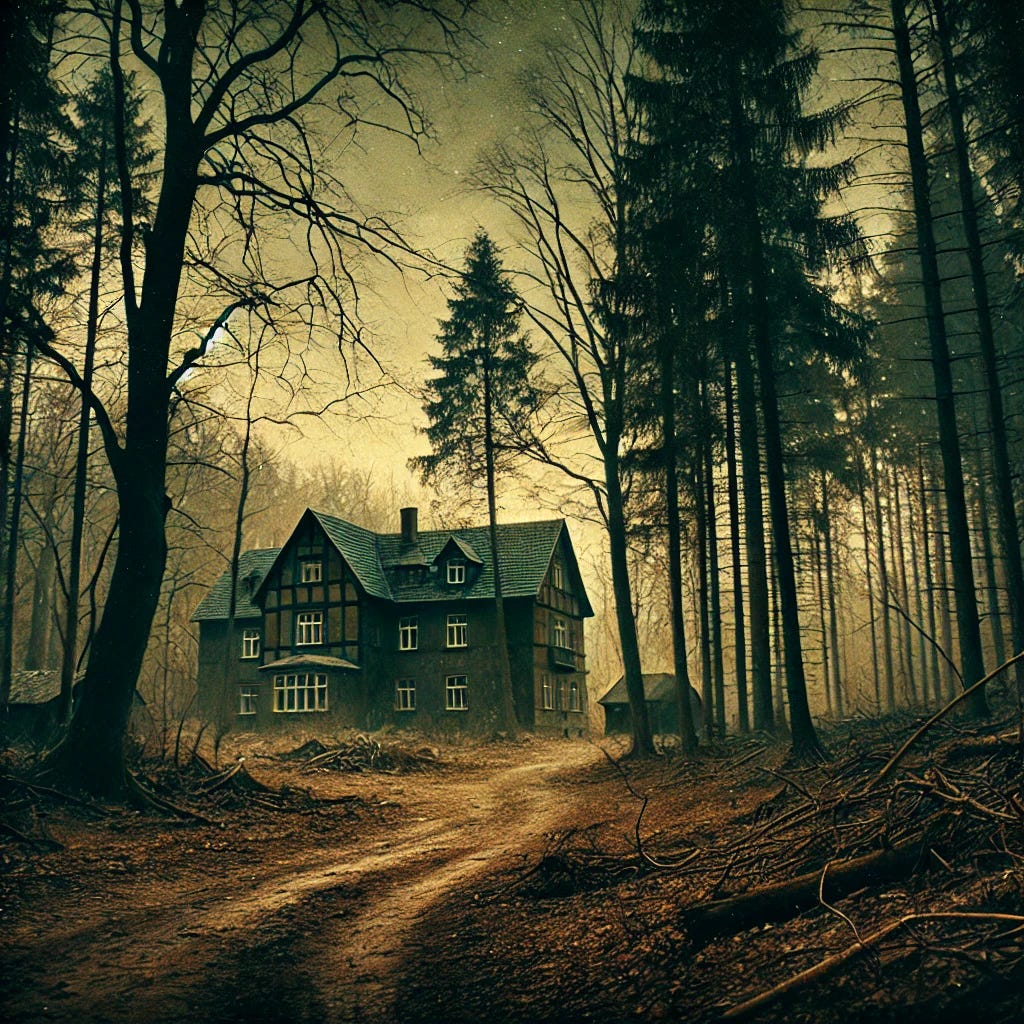
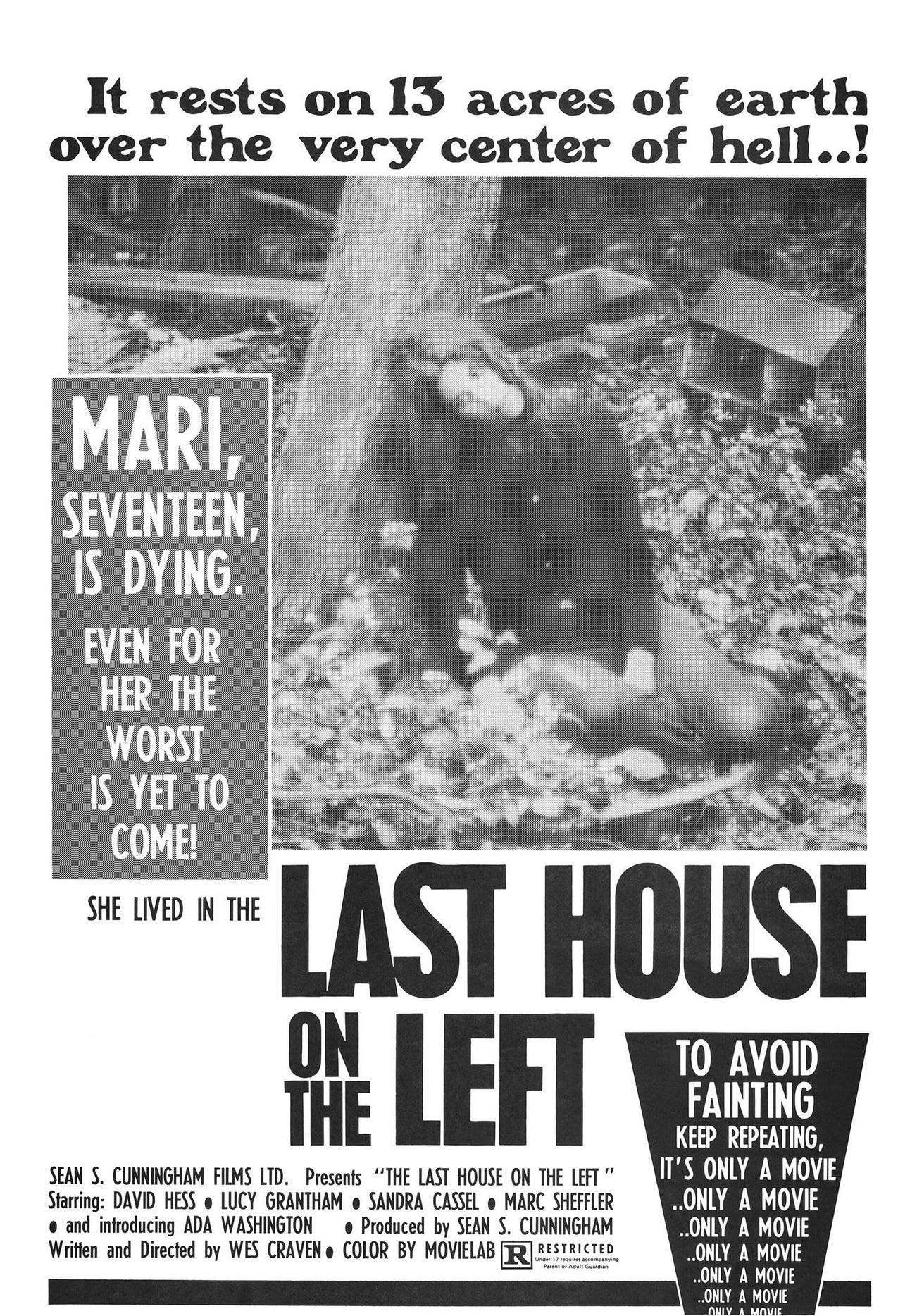
It is October so its time for some horror movie reviews!
When people talk about the most brutal, gut-punching horror films of all time, The Last House on the Left (1972) comes up for a reason. It’s not just the gore, though there’s plenty of that. It’s not even the raw, handheld cinematography that makes you feel like you’re watching something real and deeply wrong. No, it’s the combination of those things—and the primal, unfiltered horror of the human condition—that makes this film a classic.
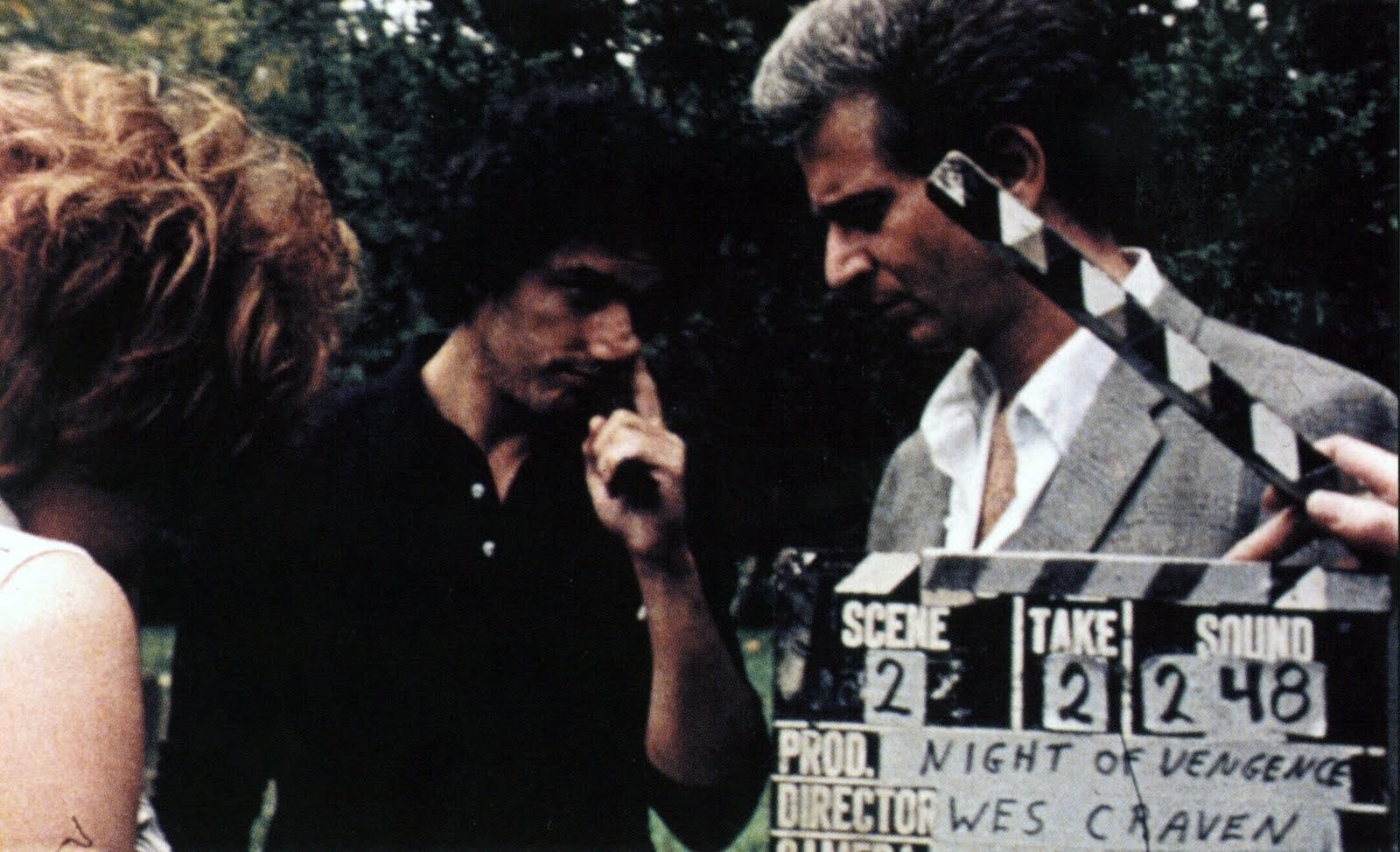
Directed by Wes Craven in what was his debut feature, this isn’t your typical horror movie. There are no ghosts, no masked killers stalking teenagers, and no supernatural forces at play. What Craven gives us instead is a story of violence, revenge, and the horrifying realization that the true terror comes from people. Real people, doing horrible things.
The Setup: Simple, but Ruthless
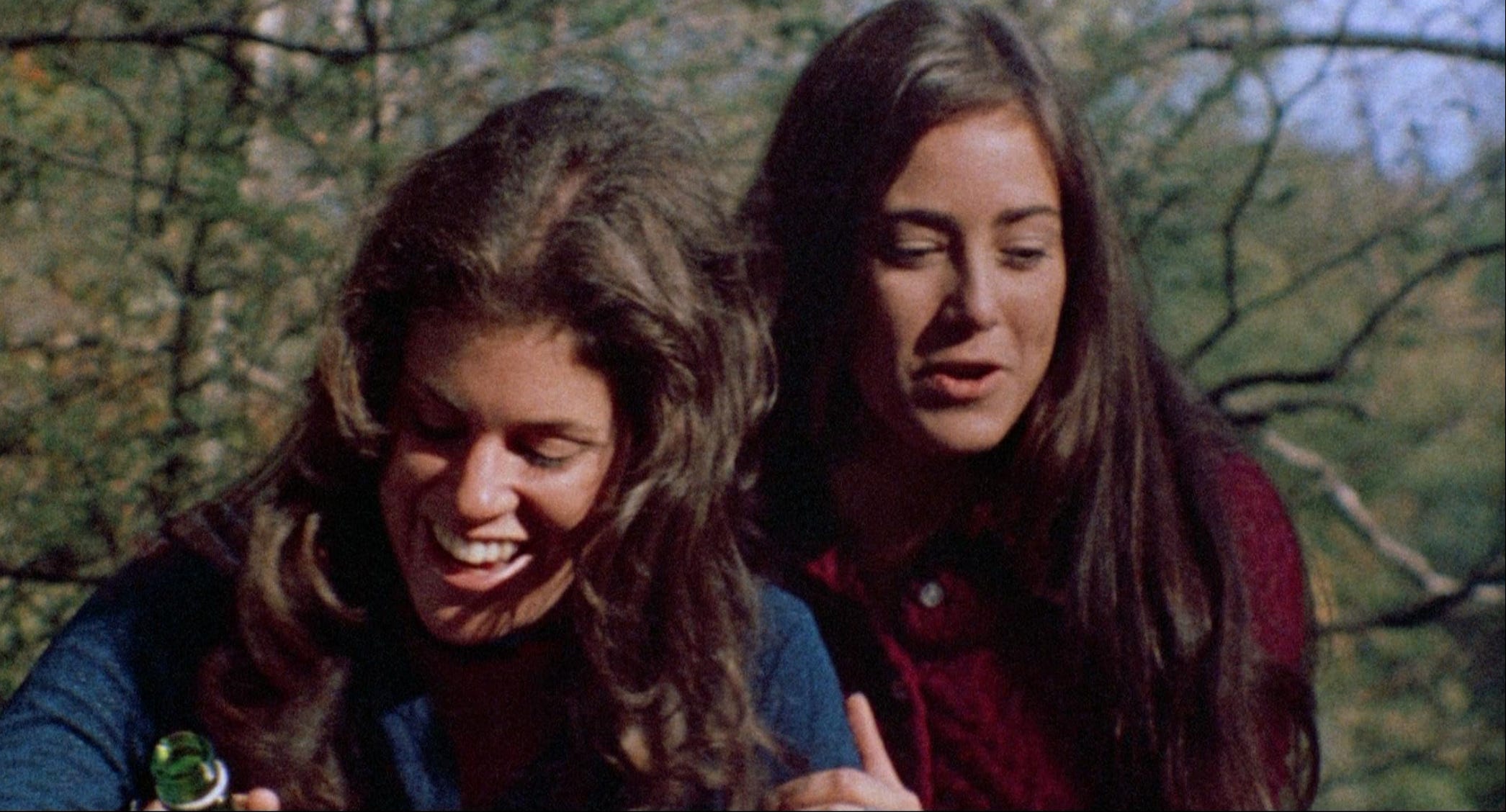
On the surface, the plot of The Last House on the Left is simple, almost deceptively so. Two teenage girls—Mari and Phyllis—are on their way to a concert. They’re young, carefree, and just looking for a good time. But in horror, that’s usually the first sign something terrible is about to happen.
It doesn’t take long before the girls cross paths with a group of escaped convicts led by the sadistic Krug. These are not the typical “bad guys” with a master plan or an elaborate scheme. No, these are raw, primal villains—people whose only agenda is to inflict suffering. What unfolds is a nightmare, as the girls are kidnapped, brutalized, and eventually murdered in the woods not far from Mari’s home.
Sounds rough, right? It is. But this isn’t where the story ends. It’s only the beginning of the film’s most horrifying element: revenge.
A Revenge Story Like No Other
When the killers unknowingly take refuge in the home of Mari’s parents, the film takes a sharp turn. The parents, after discovering what these strangers have done to their daughter, take matters into their own hands. And this is where The Last House on the Left truly earns its place as a horror classic.
Revenge is a common theme in horror. We’ve seen it a hundred times, from slasher films to psychological thrillers. But what The Last House on the Left does differently is strip away any notion of clean or satisfying revenge. This isn’t a slick, Hollywood-style revenge story with heroic one-liners and triumphant justice. This is messy, raw, and disturbingly real. The parents aren’t trained fighters or gun-toting vigilantes. They’re ordinary people—desperate, grieving, and enraged.
When they take their revenge, it’s brutal, chaotic, and filled with moral ambiguity. There’s no satisfaction here, no clear line between good and evil. The parents become as monstrous as the people they’re fighting. It’s ugly, and it makes you feel uncomfortable. And that’s the point.
Craven forces us to confront the darkness within ourselves. What would we do in that situation? How far would we go for vengeance? Would we be any better than the killers? These are the questions that linger long after the credits roll.
The Real Horror is Human
What makes The Last House on the Left so terrifying isn’t the violence itself—though it’s certainly disturbing. It’s the fact that the horror comes from real people. There are no supernatural forces at play, no unkillable monsters lurking in the shadows. The villains are just people—psychopathic, yes, but all too human.
That’s what makes the film so effective. It’s the kind of horror that sticks with you because it feels possible. You could turn on the news and see a story not too far removed from this. That’s what Wes Craven understood about horror. The scariest monsters are the ones that exist within us.
The characters of Krug, Weasel, and Sadie aren’t just sadistic for the sake of it. They represent the worst of humanity—people who have completely disconnected from any sense of morality or empathy. Watching them is unsettling because, deep down, we know that people like them exist in the real world.
Even the film’s violence, which was shocking at the time and still holds up in its brutality, isn’t stylized or glorified. It’s raw, ugly, and hard to watch. Craven doesn’t want you to be entertained by the violence. He wants you to be disturbed by it.
Cinematic Style and Grit
One of the most striking things about The Last House on the Left is its style—or lack thereof. The film was shot with a low budget, and it shows. But rather than being a detriment, the gritty, almost documentary-like cinematography works in the film’s favor. The handheld camera, the rough edits, and the lack of polish all contribute to the film’s sense of realism. You feel like you’re watching something real, something you shouldn’t be seeing. And that makes the horror hit even harder.
There’s also something about the film’s setting that adds to the tension. The isolated, rural landscape feels both vast and claustrophobic at the same time. There’s nowhere for the characters to run, no one to help them. It’s just them and their tormentors. The last act of the film, which takes place inside the parents’ home, feels especially tense because it takes the horror from the wilderness and brings it into the most intimate and vulnerable place—a family’s home.
Moral Ambiguity and Uncomfortable Questions
At its core, The Last House on the Left is a film about revenge, but it’s not a revenge story that leaves you feeling good. It raises uncomfortable questions about justice, morality, and the human capacity for violence. The film doesn’t let you off the hook with easy answers.
Sure, the parents’ actions are understandable. Who wouldn’t want revenge after what happens to their daughter? But as you watch them descend into the same kind of violence as the killers, you start to wonder: where’s the line? When does revenge become something else entirely? The film doesn’t offer a clear answer, and that’s what makes it so unsettling.
In the end, The Last House on the Left doesn’t try to be anything more than what it is—a brutal, disturbing exploration of violence and vengeance. It doesn’t preach, it doesn’t moralize, and it certainly doesn’t pull any punches. It just shows you the ugliness of humanity in its rawest form and leaves you to sit with the discomfort.
Why It’s a Classic
So, why does The Last House on the Left still resonate over 50 years later? Because it refuses to let you look away. It doesn’t offer you the comforting distance of fantasy or supernatural horror. It forces you to confront the darkness within people—and, by extension, within yourself.
Wes Craven may have gone on to direct more polished films, but The Last House on the Left remains one of his most powerful. It’s a film that doesn’t just scare you in the moment. It sticks with you, gnawing at the back of your mind long after the credits roll.
If you want a horror film that challenges you, that makes you uncomfortable, and that forces you to question what you would do in the worst of circumstances, then The Last House on the Left is a classic for a reason. Remember…repeat to yourself.. “its only a movie.. only a movie… only a movie”
Enjoy the review or what you read? Why not leave a tip!
Yup I’ll skip this one. 😱😱😱😱😱